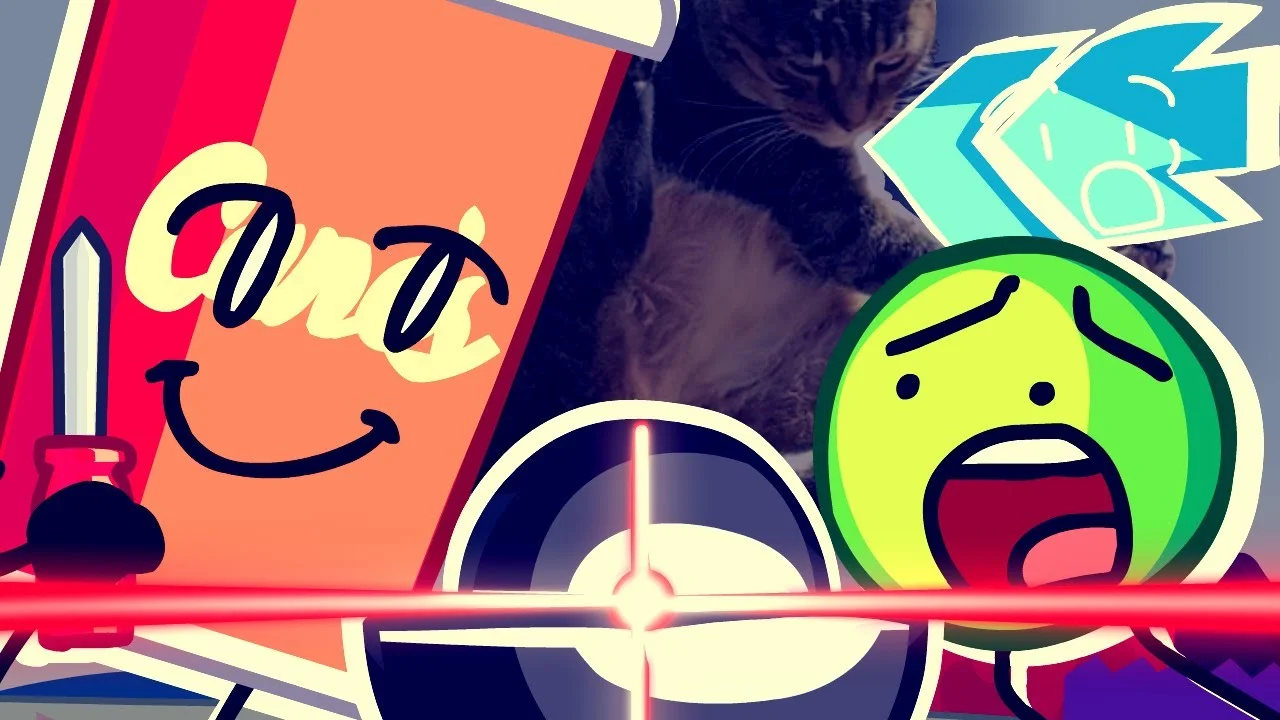
- Animatic Battle teams are episode-specific groups formed for challenges, voting, and eliminations.
- Team performance determines safety: the losing team faces the elimination stage.
- Rosters can shift across episodes as the competition reshuffles contestants.
- Character fit matters: personality clashes like Paintbrush's drive team conflict.
- Track status on-screen: only eliminations shown or announced in the series count as official.
How Animatic Battle Teams Work
Animatic Battle is an animated object-competition series created for YouTube, hosted by the expressive character Animatic. Contestants are grouped into teams that compete in challenges presented by the host. A team's result in a challenge determines whether its members are safe or enter the voting and elimination stage, making team composition one of the most important factors in the series.
Team membership in Animatic Battle is best understood as a competition state rather than a permanent label. Contestants may be grouped for a specific challenge, for voting purposes, or for elimination rounds, and the host restructures groups as the season progresses.
Key Team Mechanics:
- Challenges are team-based, with a winning condition set by Animatic.
- The losing team's members become nominees for the vote.
- Voting results remove one contestant, moving them from active to eliminated status.
- Team assignments, challenge results, and eliminations are tracked separately.
When rewatching, note the exact episode where a team change happens. Team rosters referenced online often mix early groupings with later reshuffles, so episode-level context keeps your tracking accurate.
Contestant Roster by Team Reference
The full contestant cast referenced across the series includes a wide variety of object characters. Use this table to check which figures appear in team-based competition and how their roles are generally categorized.
| Contestant | Team Context | Primary Dynamic |
|---|---|---|
| Animatic | Host (non-competing) | Presents challenges and guides eliminations |
| Liam | Contestant | Strong reactions and decisions; major narrative impact |
| Paintbrush | Contestant | Strong opinions; frequent source of team conflict |
| Cheesy | Contestant | Comedic behavior; consistent challenge presence |
| Door | Contestant | Clear object identity; recurring interactions |
| Tree | Contestant | Recognizable silhouette in group challenges |
| Juice Box | Contestant | Ensemble contributor; context-dependent impact |
| Bush | Contestant | Ensemble energy in team-based situations |
| OJ | Contestant | Adds personality variety to the competition |
| Exclamation Mark | Contestant | Expressive reactions and visual comedy |
| Flamethrower | Contestant | Strong visual concept; moderate story influence |
| Printer | Contestant | Readable identity across challenge scenarios |
| Sproing | Contestant | Distinct concept; limited demonstrated influence |
| Trophy | Contestant | Clear readability; smaller established role |
| Minidisky | Contestant | Broadens the cast; lighter documented impact |
Team groupings in Animatic Battle are presented as episode-specific competition states. Treat any fixed "season-long team" list with caution unless the episodes themselves confirm it.
Team Roles and Member Archetypes
Within any Animatic Battle team lineup, contestants tend to fall into recognizable archetypes based on how they perform in challenges and interact during voting periods. These archetypes help explain why certain teams succeed while others collapse under pressure.
The Striker
- Drives challenge results
- Takes visible risks
- Example archetype: Liam's decisive moments
The Spark
- Fuels team conflict
- Strong opinions affect morale
- Example archetype: Paintbrush's direct style
The Stabilizer
- Keeps group cohesion
- Reliable in ensemble situations
- Example archetype: Door, Bush in team settings
The Wildcard
- Unpredictable outcomes
- Comedy-driven influence
- Example archetype: Cheesy, Exclamation Mark
The Situational
- Impact depends on context
- Shines with the right teammates
- Example archetype: Juice Box
The Peripheral
- Limited screen influence so far
- Role may expand later
- Example archetype: Trophy, Minidisky
A team stacked with strikers but lacking stabilizers often wins raw challenges yet fractures during voting. Balanced lineups tend to survive elimination rounds longer.
Team Performance and Elimination Flow
Team results feed directly into eliminations, so understanding the flow from challenge to vote is essential for following the competition. The table below summarizes each stage of the cycle.
| Stage | What Happens | Effect on Teams |
|---|---|---|
| Challenge | Host sets objective and conditions | Teams compete to meet the win condition |
| Result | Winning team announced | Winning team is fully safe |
| Nomination | Losing team's members nominated | Only losers enter the voting stage |
| Vote | Contestants or audience vote | One nominee is removed |
| Elimination | Result shown or announced | Contestant moves to eliminated status |
| Reset | Next challenge begins | Team lineups may be reshuffled |
Watch the Challenge Setup
Note the objective, restrictions, and which teams participate before the competition begins.
Track the Result
Confirm which team won and which team is sent to the voting stage.
Follow the Vote
Identify the nominees from the losing team and how the vote unfolds.
Record the Elimination
Update your tracker only after the series presents or announces the result on-screen.
Check for Reshuffles
Verify whether the next episode keeps team lineups intact or restructures them.
Keep three separate columns in your notes: team membership, challenge result, and elimination order. Combining them into one list is the most common source of fan-tracker errors.
Team Rankings Factors
Ranking Animatic Battle teams requires weighing several factors, since the series emphasizes comedy and character moments as much as raw results. Use this factor table to build your own defensible rankings.
| Factor | Weight | What to Look For |
|---|---|---|
| Challenge wins | ★★★★★ | Direct results in team competitions |
| Elimination survival | ★★★★☆ | Members remaining across episodes |
| Team chemistry | ★★★☆☆ | Cooperation vs. internal conflict |
| Narrative impact | ★★★☆☆ | Story influence and screen presence |
| Individual standouts | ★★★☆☆ | Strikers who carry results alone |
Any team or character ranking — including tier lists — is fan editorial analysis based on on-screen performance, not an official power measurement from the series.
Your Team-Watching Checklist
Use this checklist during a rewatch or when catching up on new episodes to keep your team knowledge sharp and current.
Team Tracking Goals:
- Identify every contestant's current team affiliation
- Record each challenge's winning and losing team
- Log every confirmed elimination with its episode
- Note any team reshuffle or membership change
- Separate confirmed facts from fan theories
FAQ
Q: What are the teams in Animatic Battle?
Animatic Battle teams are episode-specific competition groups formed from the contestant cast for challenges, voting, and eliminations. Rather than one fixed set of teams, the host presents groupings as part of the competition format, and lineups can change as the series progresses.
Q: Does the losing team always face elimination?
Yes, the standard cycle runs from challenge to result to vote: the team that loses a challenge has its members nominated for the voting stage, and one contestant is removed. Only eliminations shown or announced in the series count as official.
Q: Is Animatic part of a team?
No. Animatic is the host and competition authority, not a contestant. The host introduces the competition, presents challenges, and guides contestants through eliminations from outside the team structure.
Q: Can team rankings change between episodes?
Yes. Team standings shift with every challenge result and elimination, and reshuffles can completely alter the balance. Track results episode by episode rather than relying on a single snapshot ranking.